Recognition
Why intelligent people still explain away toxic behavior
The problem was never that you couldn’t see it. It’s that seeing it came with a bill you weren’t ready to pay.
Nichelle Chandler, PhD · Licensed Psychotherapist · Author
Learn to recognize toxic patterns earlier, trust what you already sense, and protect your peace before the damage sets in.
It isn’t that you can’t see it. It’s that you keep overriding what you see.
The dig wrapped in a compliment. The story that shifts to make you the problem. The parent whose love arrives with a bill. You notice, and then you explain it away, because naming it out loud feels dramatic, ungrateful, or unsafe.
Self-help asks you to fix yourself. Self-defense assumes you were never broken.
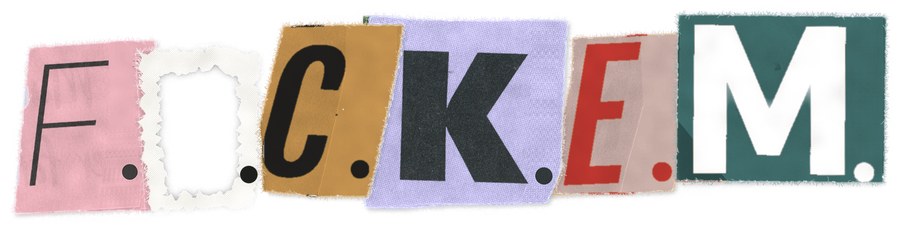
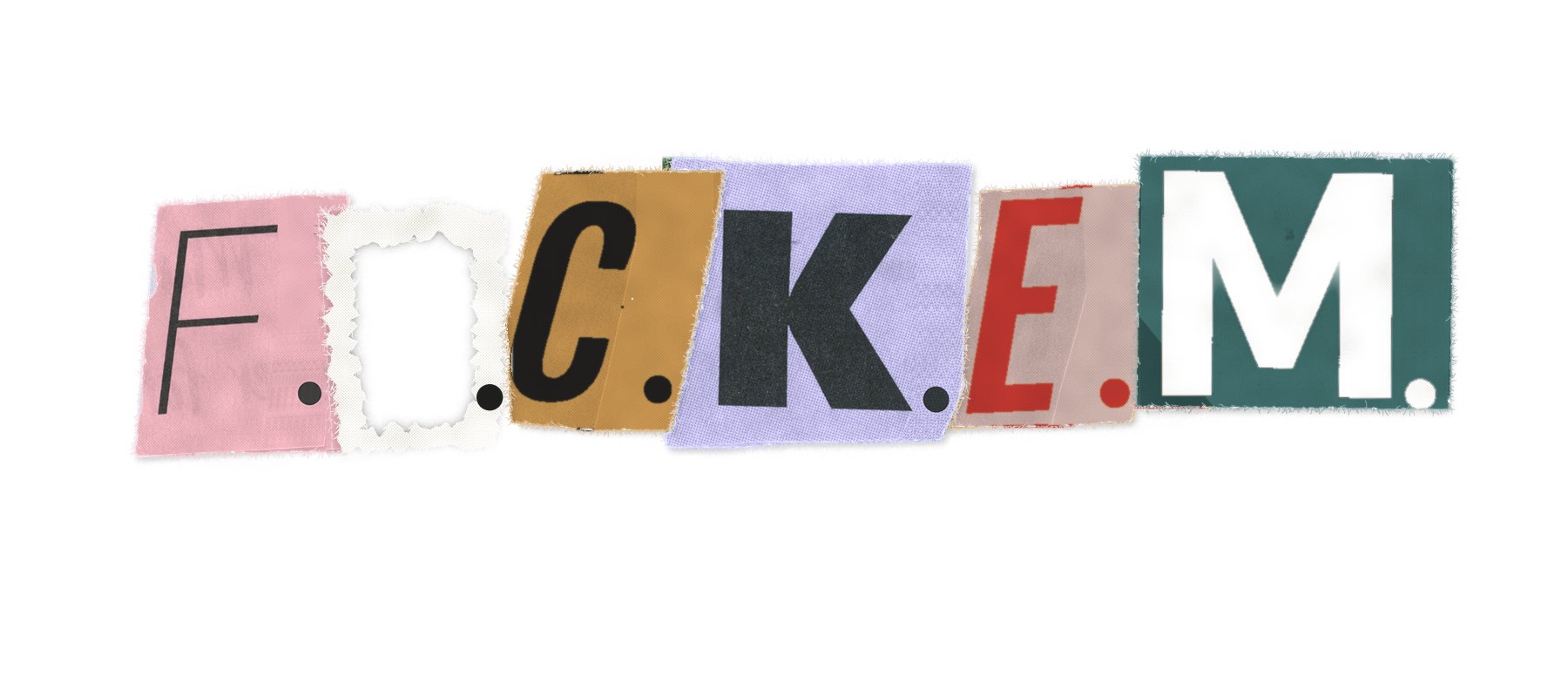
Each letter of the title is a protective principle. What the letters stand for is in the book. What each one protects is here.
Read your own reaction before you manage everyone else’s.

Stop negotiating your own reality.
Decide who gets access, and on what terms.
Notice your own activation while you still have room to respond.
Build a life that gives something back.
Read the signals your body sends first.
 Nichelle Chandler, PhD
After more than twenty years in clinical practice, Dr. Nichelle Chandler began asking a different question: what if we helped people recognize relational harm earlier, before so much recovery became necessary? That question eventually shaped F.U.C.K.E.M. and her clinician-facing work in Proactive Emotional Self-Defense.
The goal was never to make you harder. It was to make you harder to reach for the people who have been draining you.
The book is the public entry point into a wider body of work.
A short, structured reflection on one relationship: how often it repeats, how much pressure it carries, and what the access is costing you.
Not a journal. Seven days, one small powerful action each day, to clear toxic static and restore your energy. A printable companion to the book.
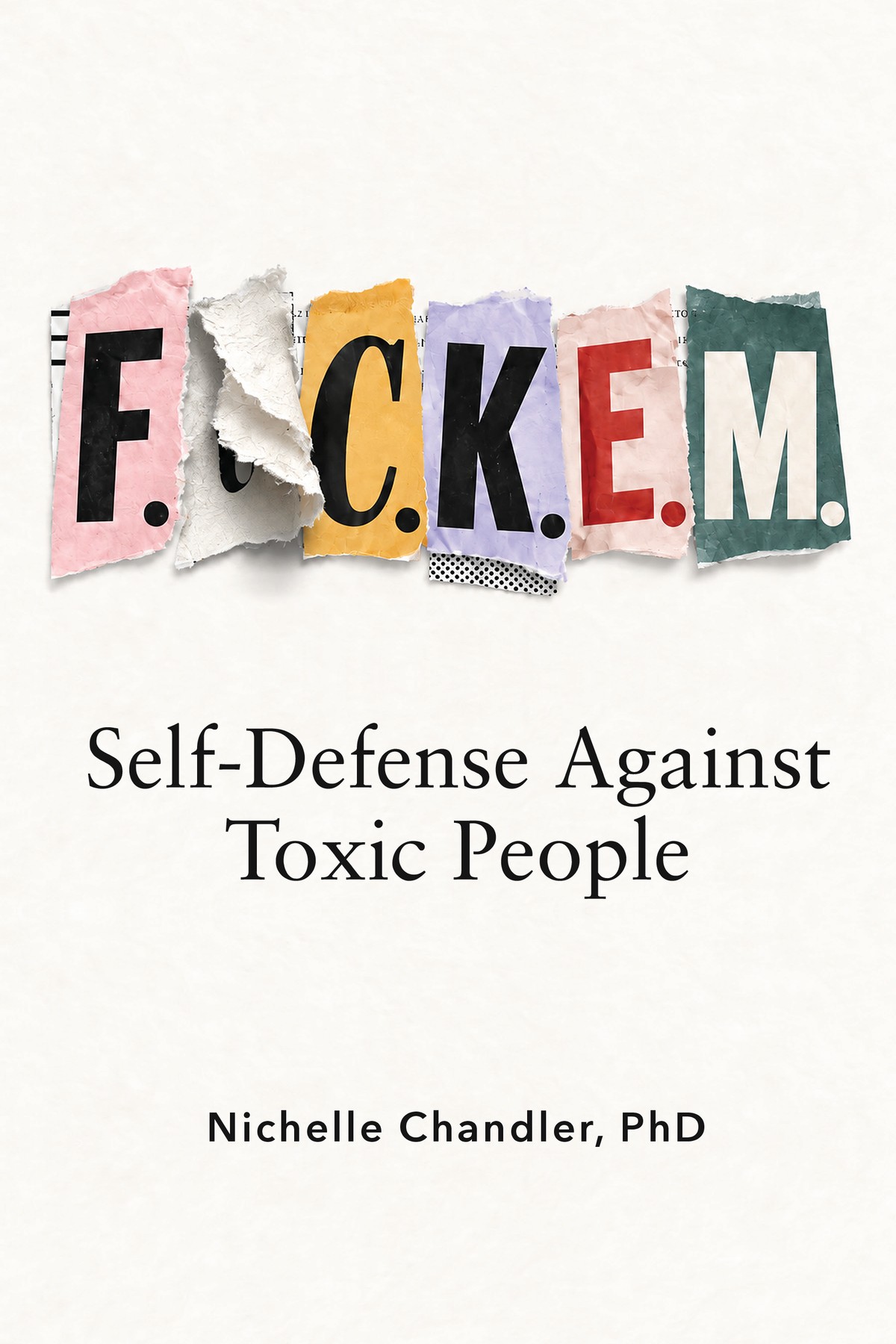
A practical emotional self-defense system for recognizing toxic patterns earlier, protecting your peace, and deciding who gets access to you before the damage deepens.
6 protective principles · 18 self-defense weapons · one defense system
The problem was never that you couldn’t see it. It’s that seeing it came with a bill you weren’t ready to pay.
A boundary governs what you will do. Control tries to govern what they will do. The distinction changes everything about how you hold the line.
The tight chest, the dropped stomach, the dread when a name lights up your phone. That isn’t random. It’s data your mind hasn’t admitted yet.